Are Mobile Apps Covered by the ADA? Lawsuit Risk in 2026
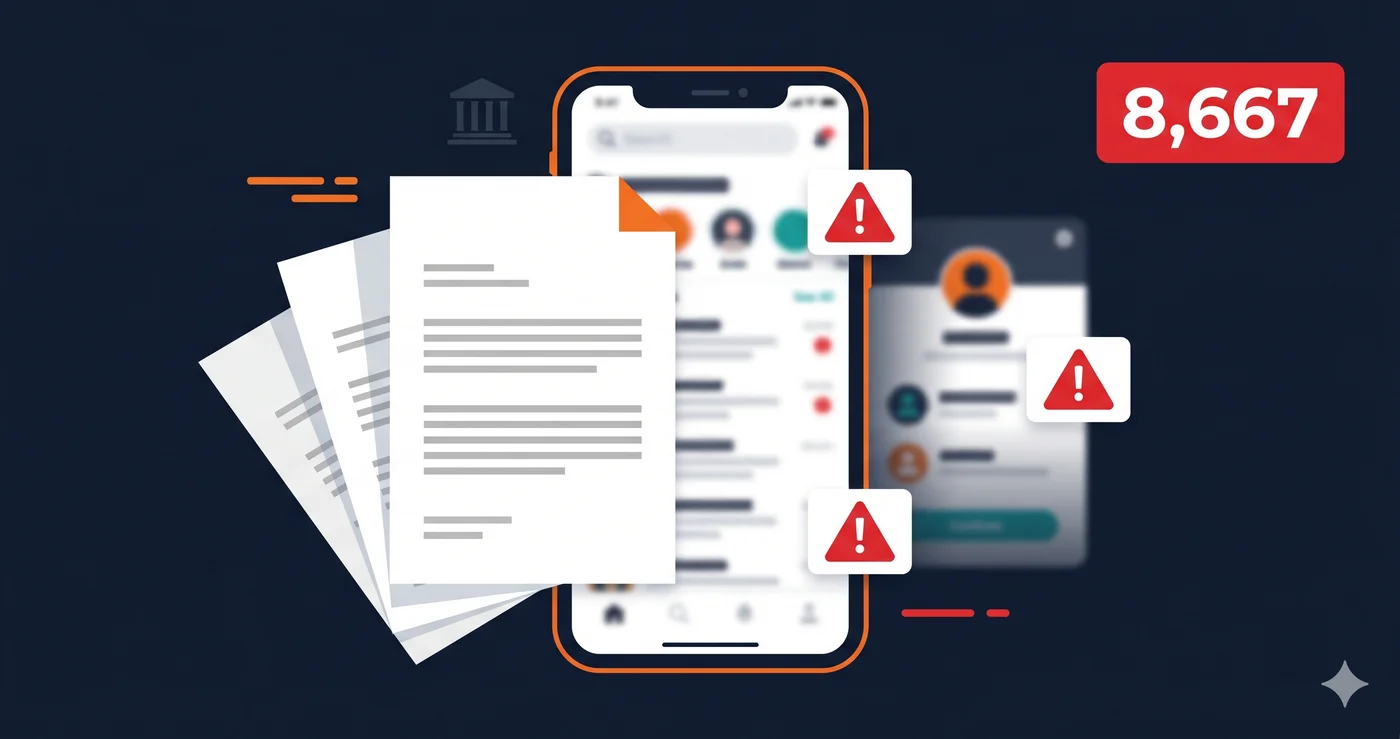
8,667 ADA Title III lawsuits were filed in 2025 — and mobile apps are no longer exempt. Here's what makes your app a target and how to measure your risk.

8,667 ADA Title III lawsuits were filed in 2025 — and mobile apps are no longer exempt. Here's what makes your app a target and how to measure your risk.

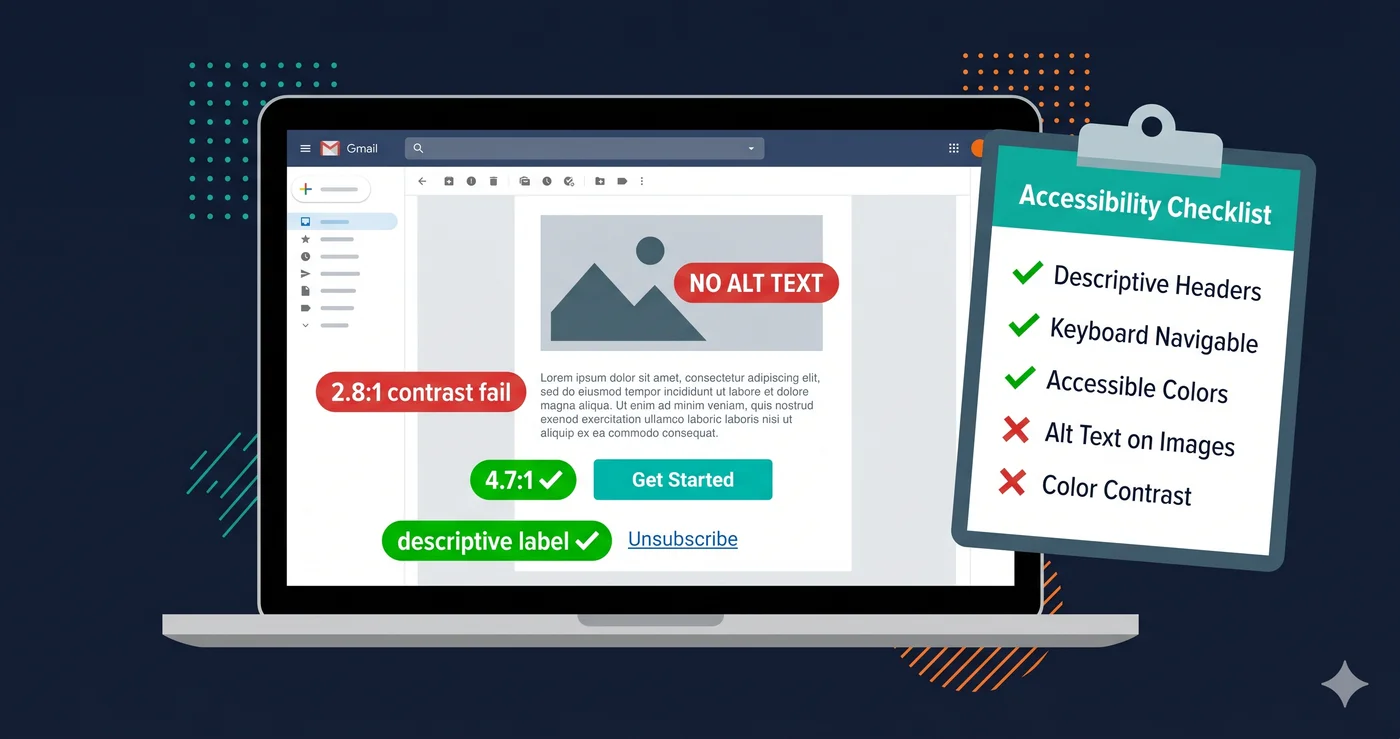
99.97% of emails contain serious accessibility issues. The EAA now covers B2C email marketing — here's the WCAG checklist every email team needs in 2026.

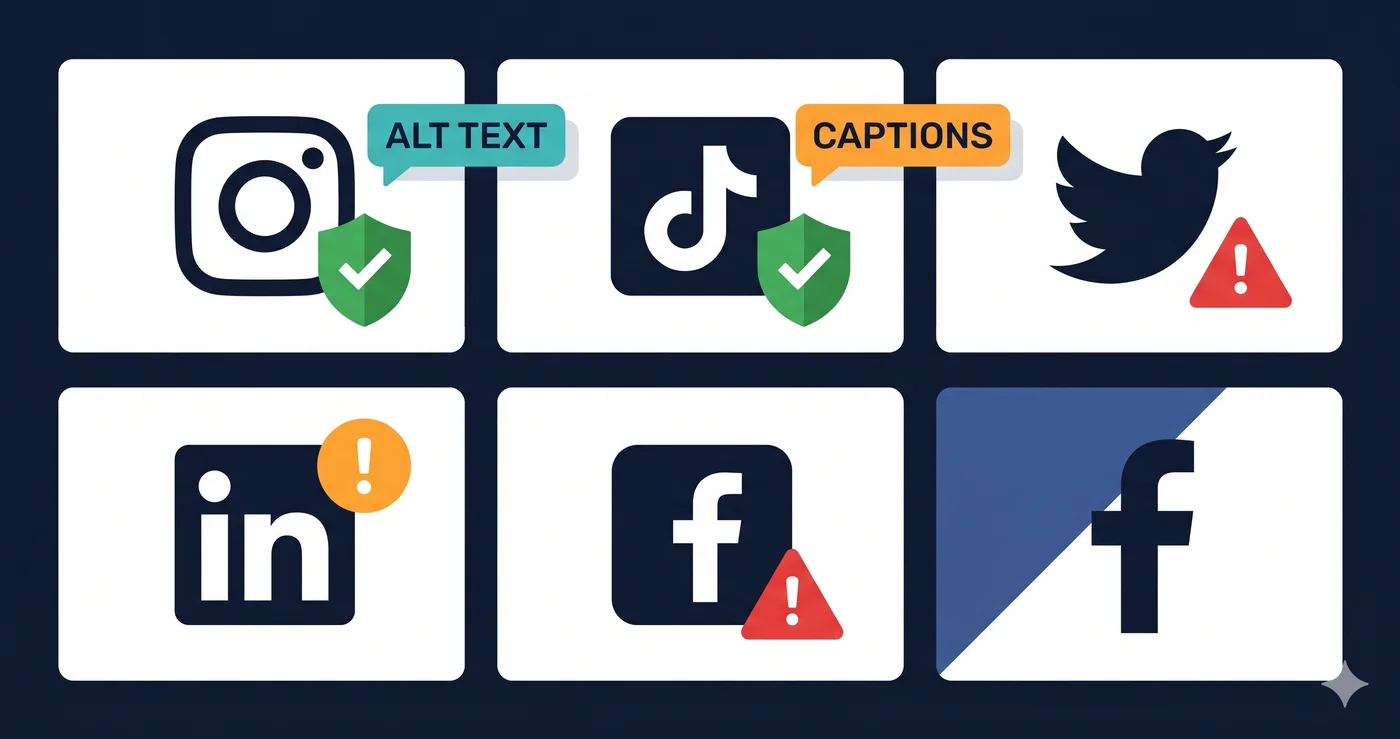
Netflix was sued for missing captions. Domino's for inaccessible digital platforms. Your social media content is now in scope under ADA Title II and the EAA.

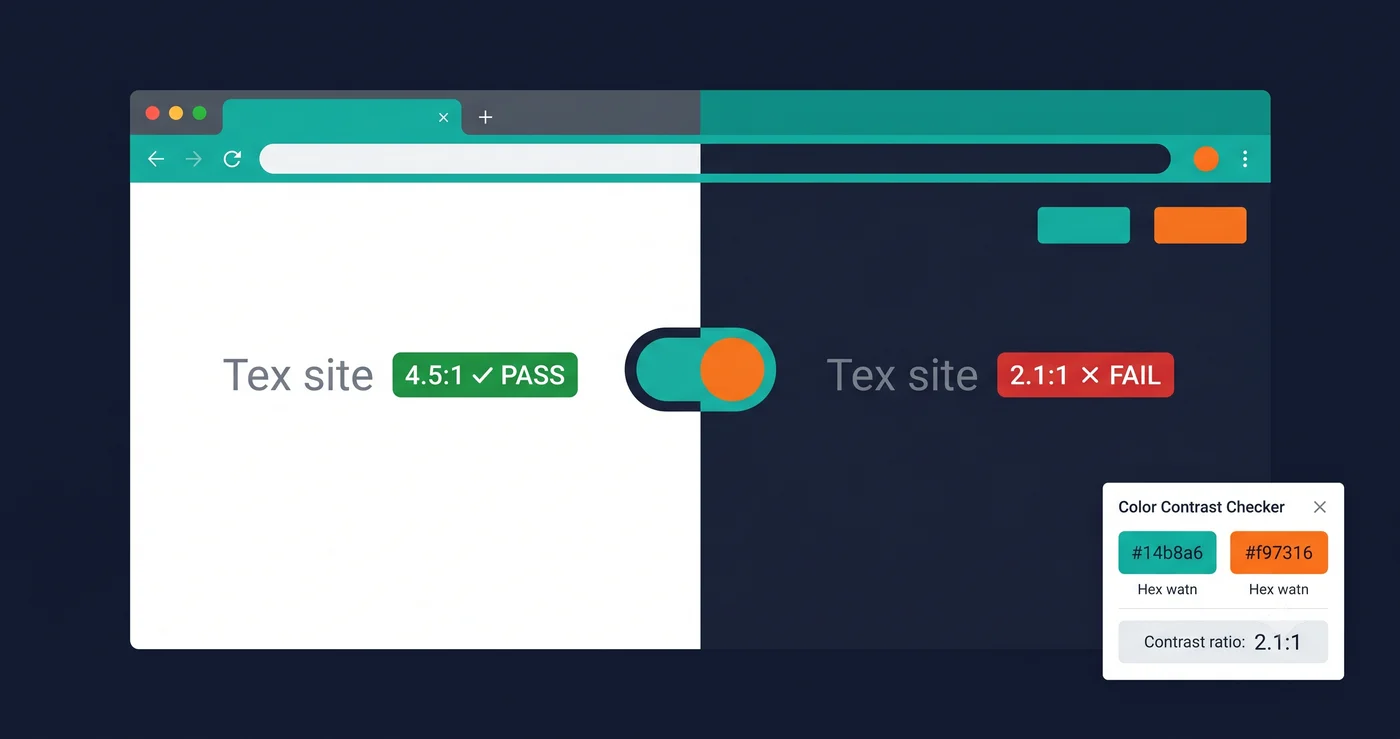
Color contrast is the #1 WCAG failure on 83.6% of websites. Adding a dark mode toggle doesn't fix that — it often doubles the problem. Here's what WCAG actually requires.

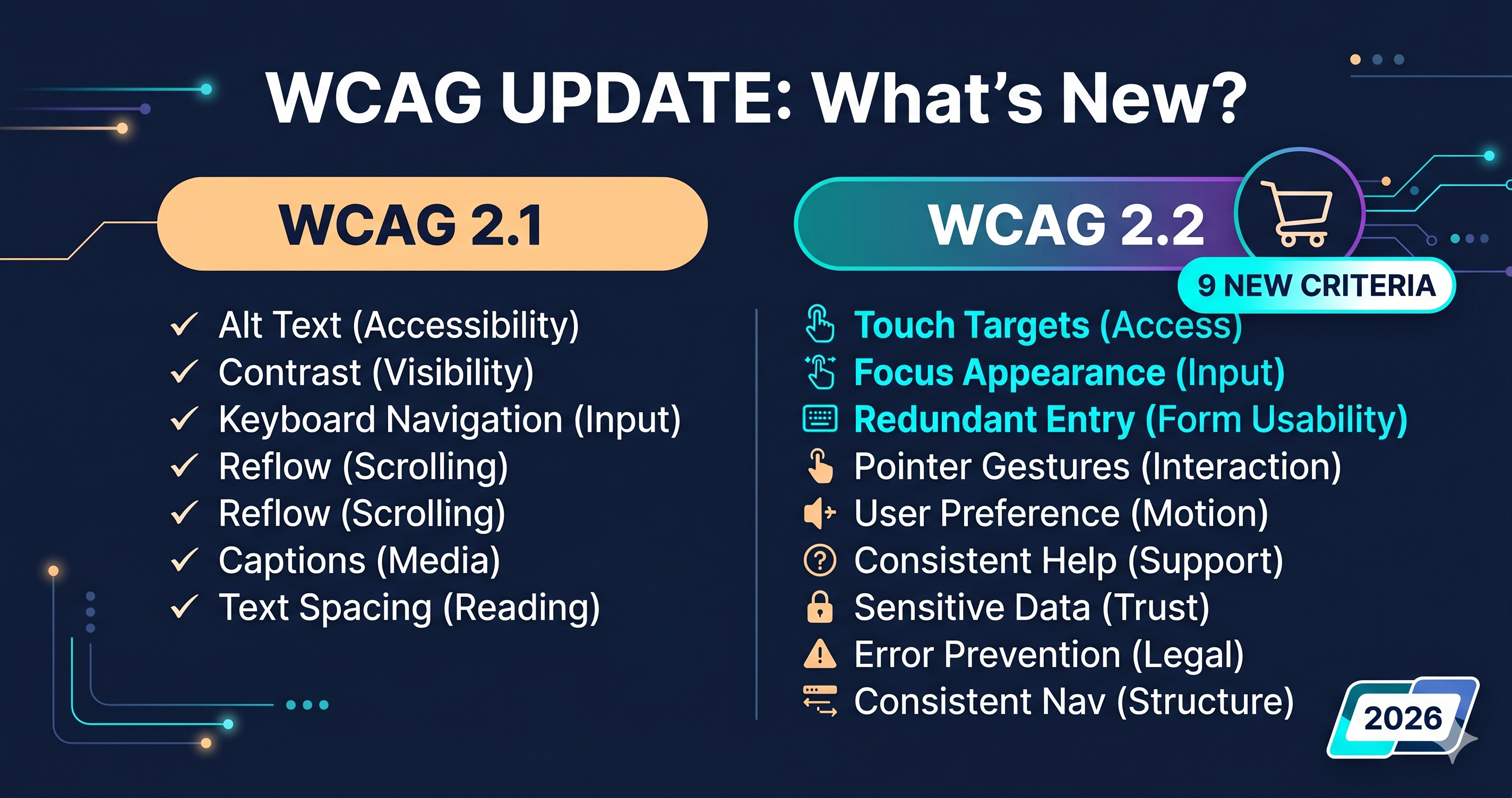
WCAG 2.2 adds 9 new success criteria that directly target eCommerce: touch targets, authentication, focus indicators, and more. Here's what changed and what your store needs to fix.

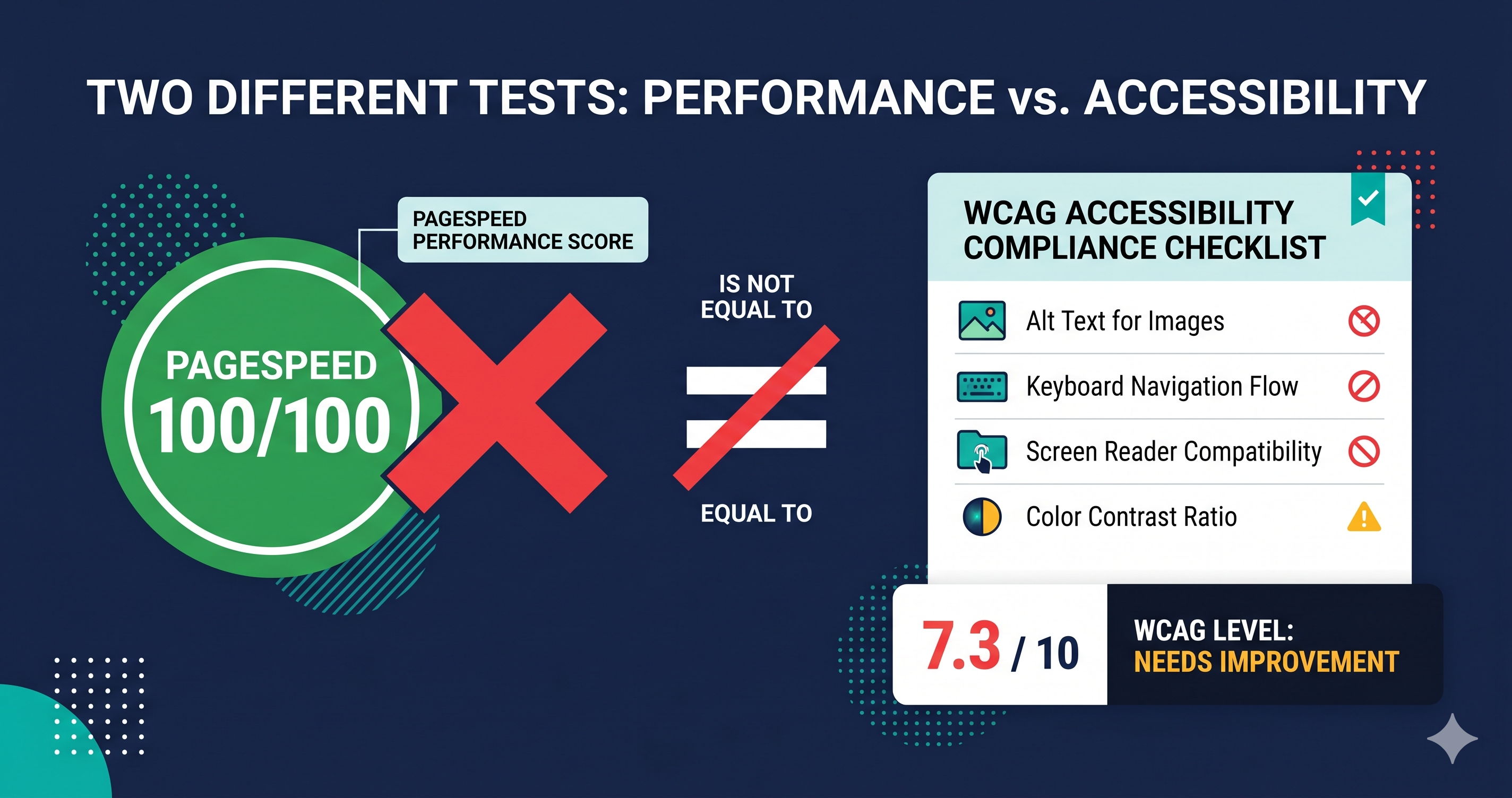
A perfect 100 on PageSpeed Insights doesn't mean your site passes a single WCAG criterion. Here's exactly what each score measures—and why confusing them is a lawsuit waiting to happen.

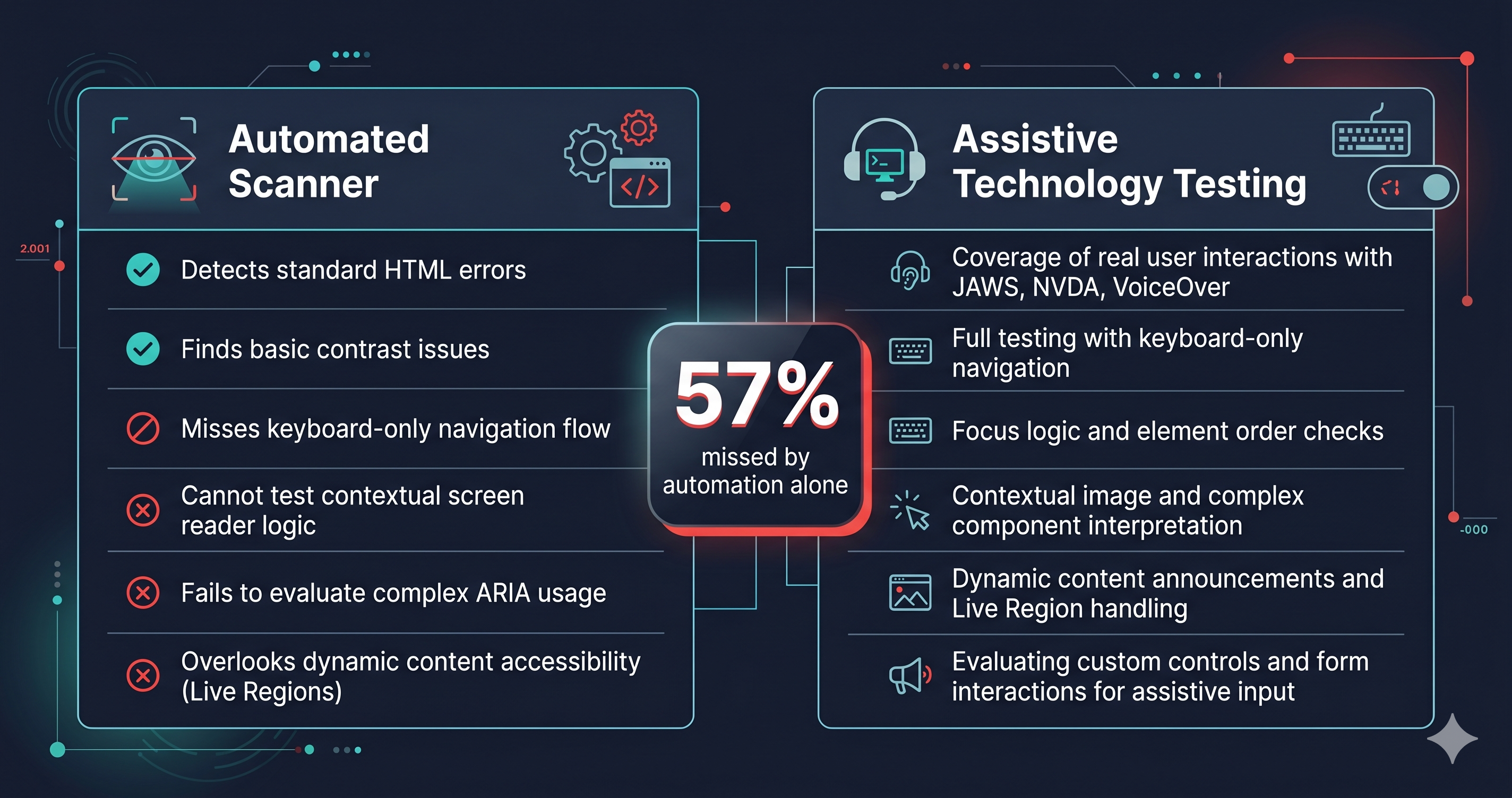
Automated scanners catch 30–57% of WCAG violations. The rest require assistive technology testing. Here's what each method finds, why both matter, and how to combine them for legal protection.

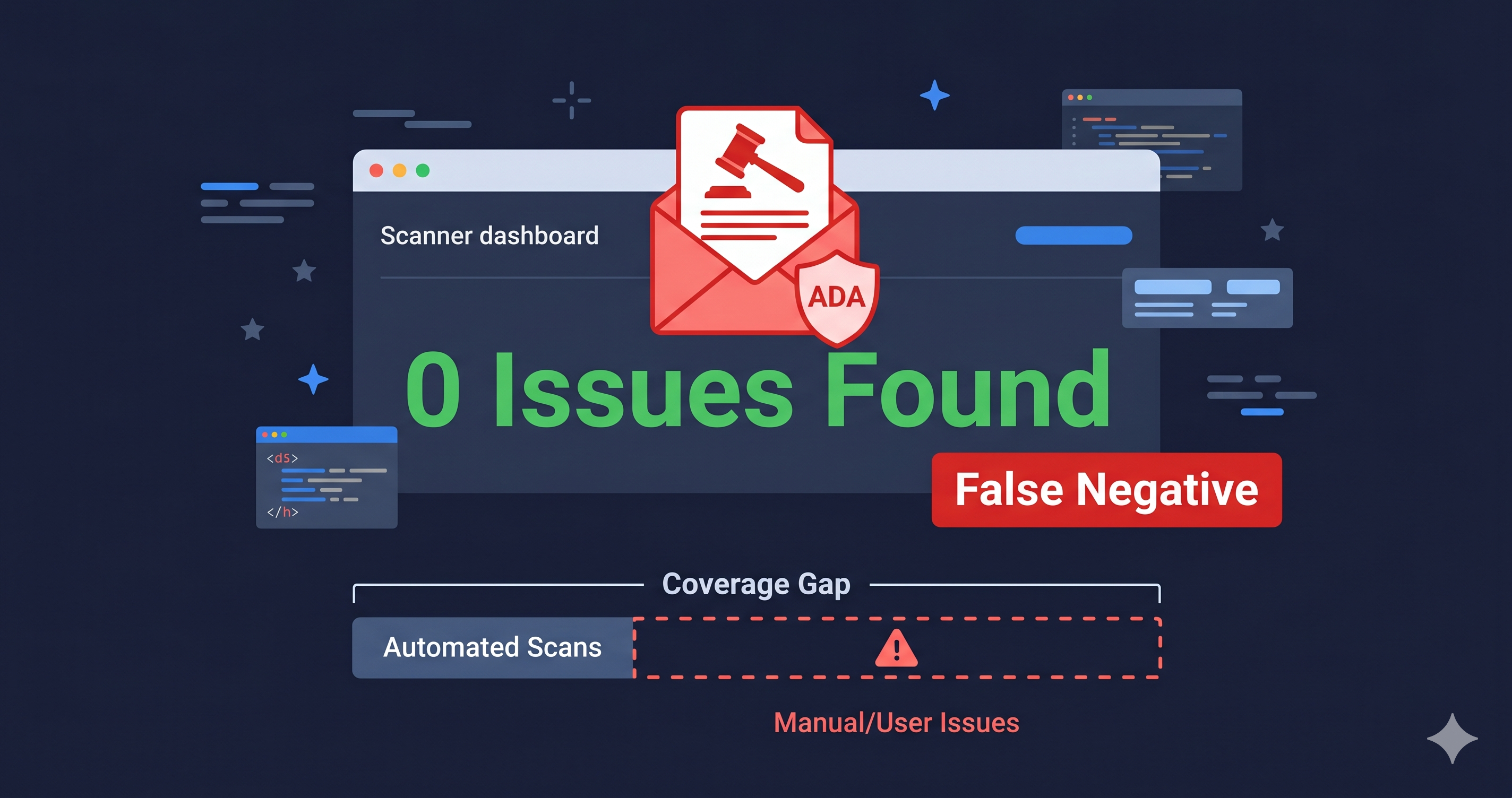
Your scanner reported zero issues—so why did the demand letter still arrive? False positives and false negatives in WCAG scanning are costing teams compliance coverage they never knew they were missing.

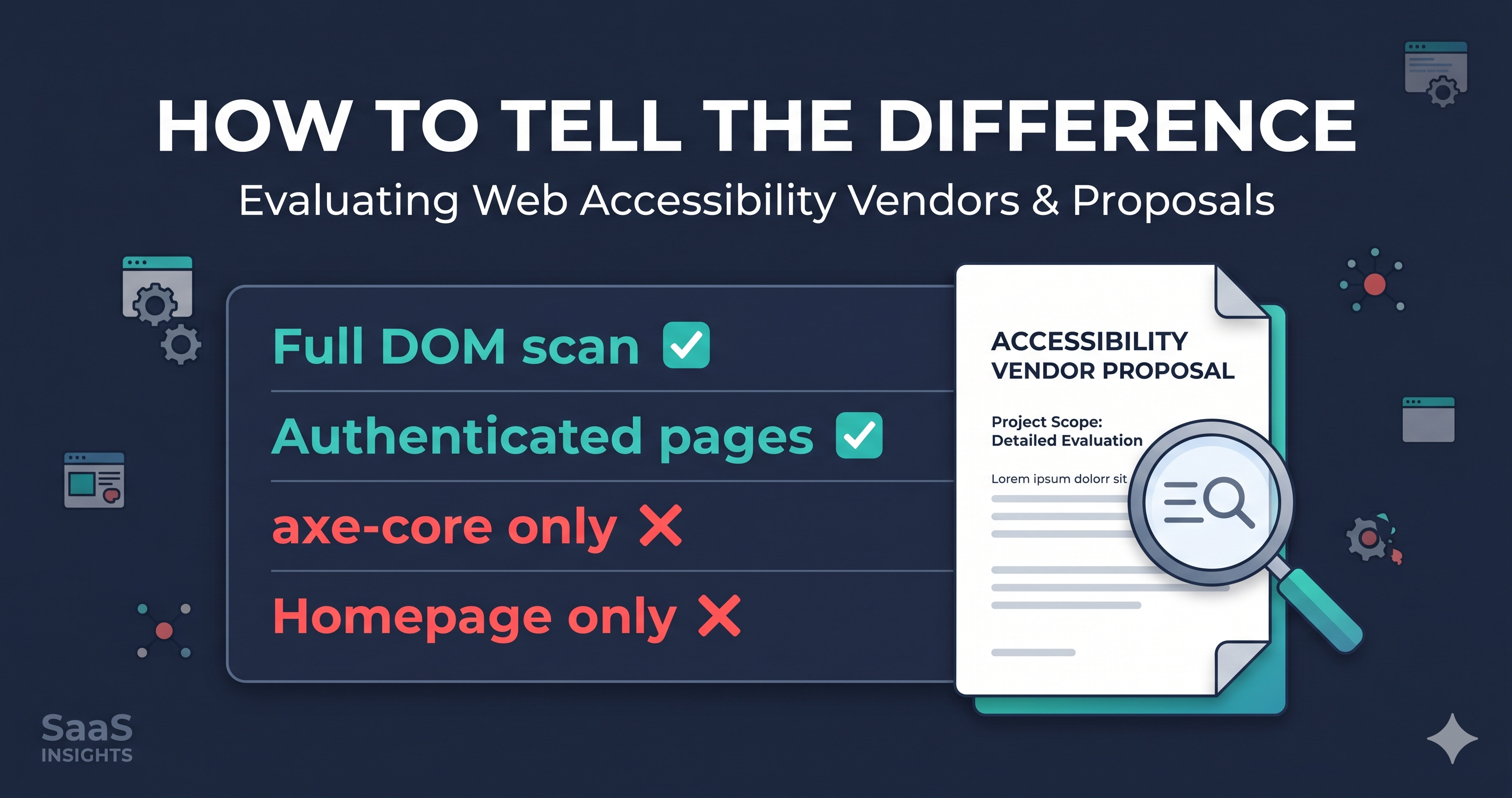
Not all accessibility audits are equal. Some agencies run axe-core on your homepage, send a PDF, and call it compliant. Here's how to tell the difference before you're exposed.
Weekly tips on WCAG compliance, ADA regulations, and building accessible experiences.
We use essential cookies plus analytics cookies (with your consent). Cookie Policy · GDPR